Six yoga poses for prostate enlargement
By
Lana Burgess
Reviewed
by Daniel Bubnis, MS, NASM-CPT, NASE Level II-CSS
Prostate enlargement or benign
prostatic hyperplasia can cause problems with urination that many men find
frustrating. Could yoga help manage the symptoms of this condition?
Benign prostatic hyperplasia
(BPH) is caused by changes in hormone levels as a man gets older. It is a
normal part of the aging process and is not dangerous.
Even so, the problems an
enlarged prostate can cause are irritating, and many men look for ways that
they can improve their symptoms.
This article explores how yoga
may help manage prostate enlargement and details the different poses that may
help.
What is benign prostatic
hyperplasia?
BPH is an enlargement of the prostate gland.
BPH is an enlargement of the prostate gland.
The prostate is a small gland,
about the size of a walnut, that is part of a man's reproductive system. It
surrounds the urethra, which is a tube that takes urine out of the body from
the bladder.
When the prostrate becomes
enlarged, it puts pressure on the urethra. This may make it harder for a man to
urinate.
Men with BPH may find:
- it is harder to start and stop urinating
- their stream of urine is not as strong as it used to be
- they feel like they need to urinate often
- they still feel like they need to go again after urinating
How might yoga help?
A 2006 study showed that
exercise could help reduce the risk of BPH. Doing exercise such as yoga may be
helpful in preventing the condition.
Yoga may also help improve the
symptoms of BPH, as it can help exercise and strengthen the muscles in the
pelvic floor. In a 2011 study, researchers found that yogic practices improved
muscle strength.
Strengthening the pelvic floor
muscles and reducing pelvic tension can help improve bladder control, making it
easier to urinate.
The same study showed that
yoga might help to reduce stress, and stress is believed to make the symptoms
of BPH worse. Reducing stress through yoga means BPH symptoms are less likely
to be aggravated.
Yoga poses for BPH
The following yoga poses, or
asanas, are good for strengthening the pelvic floor and may help improve
symptoms of an enlarged prostate. They can also help to reduce stress.
1. Cobbler Pose (Baddha
Konasana)
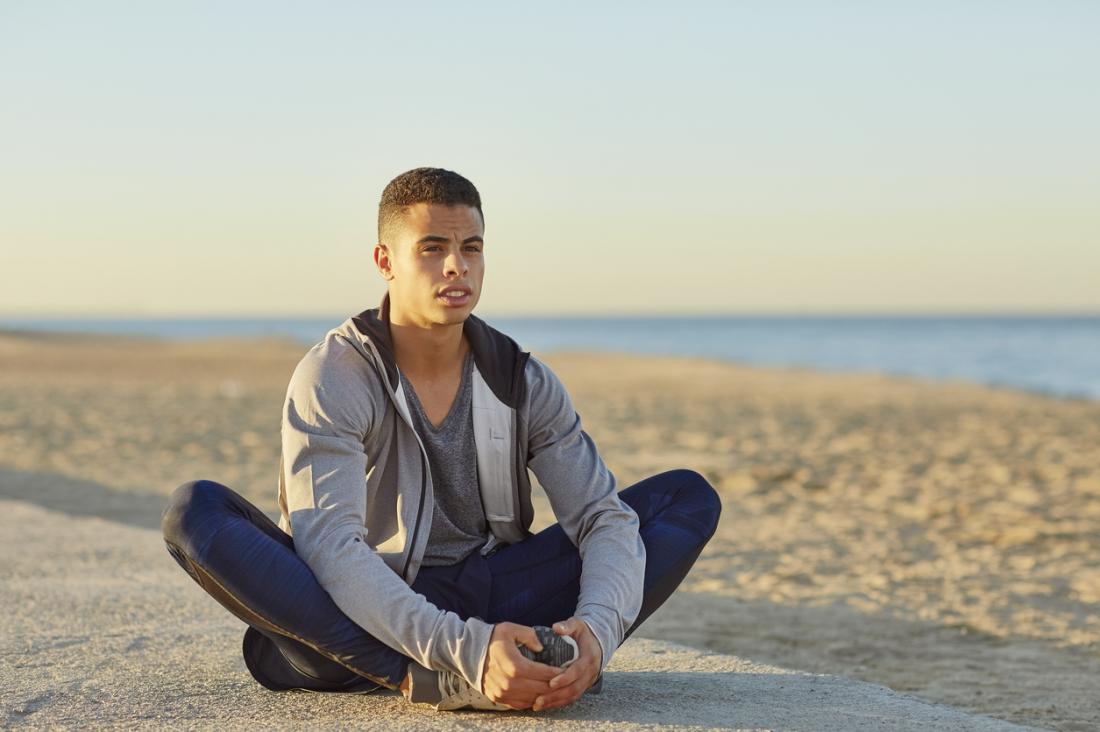
The Cobbler Pose involves sitting down with the soles of the feet touching, and the knees low to the ground. It helps to open up the pelvis. The Cobbler Pose is a seated position that can help release pelvic tension.
To do this pose, a person should:
- sit down with their legs extended in front of them
- bend their knees to the side, placing the soles of the feet together as close to their pelvis as they can
- hold their hands clasped around the feet
- try to lower the knees as far to the ground as they can go, releasing any tension in the hips
- after holding the position for a few minutes, walk their hands forward out in front of them
- lower their gaze, tuck in their chin, and bend forward toward their hands
- breathe deeply into the pose
- relax the pose by walking the hands back toward the body and releasing the legs out in front of them
Sitting on a cushion can make
the Cobbler Pose easier.
2. Hero Pose (Virasana)
The Hero Pose is another
seated position that can help release pelvic tension around the prostate. To do
this pose, an individual should:
- kneel down and lower their bottom to the floor, so they are sitting between their feet with their knees to the floor and feet pointing to the back of the room
- rest their hands on the thighs with palms down
- keep the weight between the hips, trying not to put too much pressure on the knees
- try to sit as straight upright as possible, so the spine is lengthened
- hold for up to 5 minutes
- get out of the pose by rolling to one side to release the legs
3. Reclining Big Toe Pose
(Supta Padangusthasana)
This is a lying-down, leg
extension pose that may strengthen the pelvic floor and release tension. To do
the Reclining Big Toe Pose, a person should:
- lie on their back with both legs extended
- bend their left knee, pulling their thigh to their chest
- keep their right leg pressed into the floor with the foot flexed, toes pointing upwards
- hold on to their toes on their left foot or put a strap around the foot if they are less flexible
- straighten the left leg as far as possible, with sole flexed up towards the ceiling
- if using a strap, walk their hands as close to the foot as they can
- breathe deeply into the position
- using a strap or keeping hold of the toes, let the left leg drop out towards the side at a right angle to the body, keeping the right leg pressed to the ground
- to get out of the position, bring the left leg back above them and then release both legs
- repeat on the other side
4. Head-to-Knee Pose
(Janusirsasana)
This is a seated forward bend
pose that focuses on stretching one leg. As well as reducing pelvic tension,
this pose may help improve strength in the core region.
Some yoga practitioners
believe this exercise increases blood flow to the prostate and helps detoxify
it. However, there is only anecdotal evidence to support this theory.
To do the seated Head-to-Knee
Pose, a person should:
- sit on the floor with both legs extended in front of them
- bend their right knee to the side, so that the sole of their right foot rests against their inner thigh
- keep their weight over the left leg and slowly walk their hands out in front of them
- reach forwards to hold their foot, leaning forward from the hips and looking forward to their toe
- tuck their chin in and bend their head forward and down to rest on their shin
- breathe deeply into the position to release tension
- slowly return to an upright position, releasing both legs
- repeat on the other side
As with other seated poses,
sitting on a cushion can provide added support if a person finds the seated
Head-to-Knee Pose difficult.
5. Bow Pose (Dhanurasana)
This is lying-down back
bending pose that may strengthen the abdomen, pelvic floor, and lower back. To
do Bow Pose, a person should:
- lay on their stomach with their arms at either side
- lift their heels up towards their bottom, bending their knees
- reaching back with palms facing upwards, grasp hold of each ankle from the inside
- kick their heels upwards while raising their head, chest, and shoulders, as if trying to get their head and heels to touch
- keep looking upwards, breathing deeply into the position
- hold for 30 seconds and release, repeating the pose twice
6. Shoulder Stand
(Biparitkarani Mudra)
This is a more advanced position
that people should only try when they have built up some strength in their
pelvic floor and lower back.
Yoga practitioners believe
that this pose improves the health of the prostrate by stimulating the nerves
and muscles of the sexual glands. Again, this is not proven by research, but
people may want to try the pose to see if it helps.
To do a shoulder stand, a
person should:
- lie down on their back, resting their head on the ground, with hands resting on the ground on either side of the body
- keeping the feet and legs together, raise their legs upwards higher and higher to lift their hips off the ground
- put their hands on their lower back so that eventually the hips and back are lifted, leaving just the shoulders and head on the ground
- try to keep the legs straight and in line with the hips, holding the stomach in
- breathe deeply into the pose
- hold as long as they can, up to 2 minutes
- slowly lower their legs down keeping their back supported with their hands to come out of the position
Other exercises for BPH
People may find that yoga
helps them to manage the symptoms of an enlarged prostate, but there are also
other exercises that may help.
Another exercise people can
try are Kegels. These are designed to strengthen the pelvic floor muscles. To
try Kegels, a person should:
- imagine squeezing in the pelvic floor muscles, as if they are trying to stop urinating
- keep them squeezed for a couple of seconds and then release
- repeat these 3 to 12 times
It is essential that, when
performing any kind of exercise, a person stops if they experience any pain, or
any existing pain becomes worse.
All yoga poses and exercises
should be performed to the individual's ability. With practice, the exercises
should become easier to perform.
SOURCE:
MEDICAL NEWS TODAY
Comments
Post a Comment