How to Purchase Leather
Leather can be the ultimate fashion
investment — make sure you do it right





Written by RJ Firchau
Leather has been a quintessential part of
fashion for pretty much the entirety of man’s existence. Every man needs some
good leather products. Leather belts and wallets are trademarks of class. And
the leather jacket? Well, a leather jacket provides instant, effortless cool.
Here’s everything you need to know about why leather’s awesome, what to look
for when you buy it, and how to care for it once you own it.
Reasons to Invest in Leather
1. Attitude
They say that leather is associated with
masculinity, strength, and a touch of rebelliousness. If any of these things
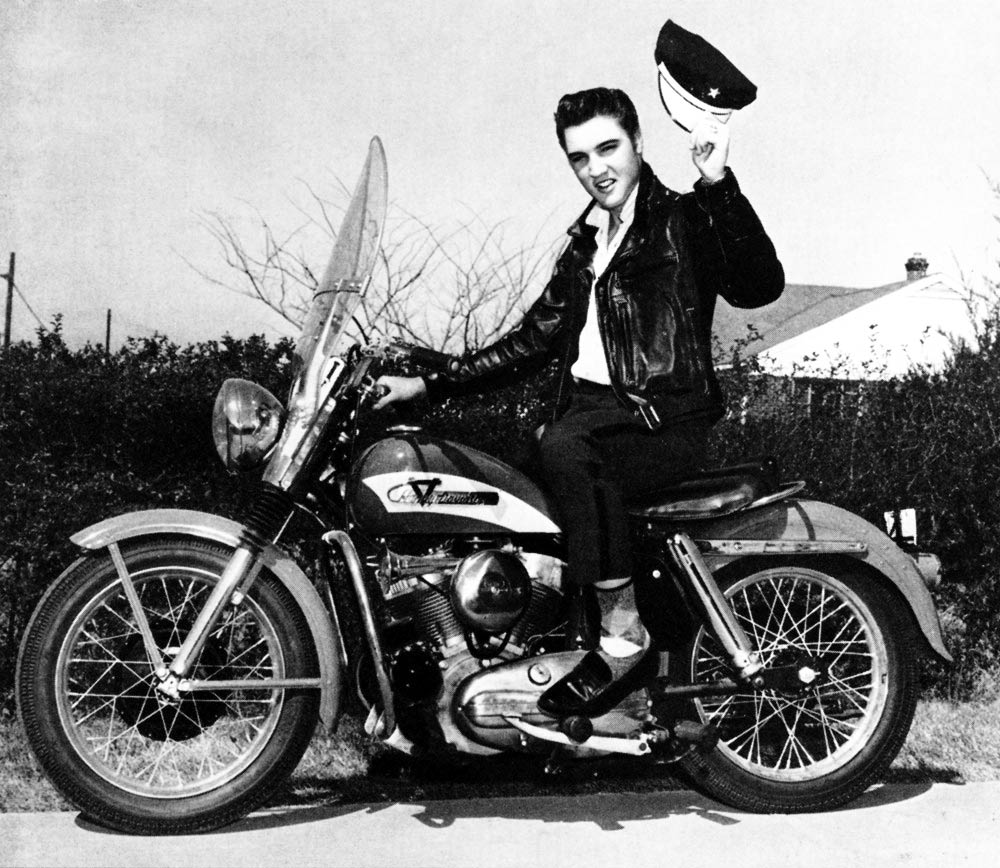
sound appealing to you, then leather is the way to go. The first motorcycle
jacket was designed by Irving Scott and sold in 1928 in a Harley Davidson
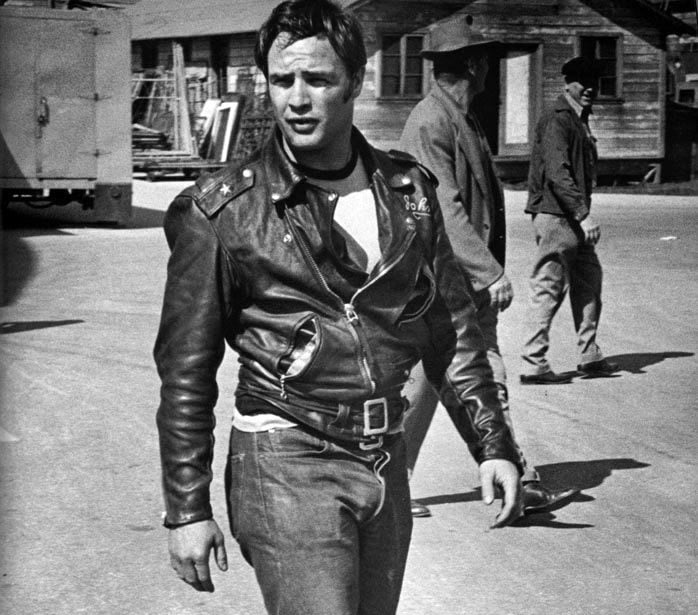
store. In 1953, Marlon Brando wore a leather bomber jacket, coining and coming
to symbolize rebellious culture and fashion. James Dean perpetuated leather’s
association with rebelliousness when he adopted the trend himself. Further down
the line, tastemakers and punk rockers (think Steve McQueen and Billy Idol)
made the leather jacket the epitome of cool and a fashion statement synonymous
with some serious attitude. Leather jackets are a symbol of style with an
impressive star-studded rocker history to back it up. Owning one is symbolic of
becoming a part of that lineage.
2. Protection
Leather was used throughout history as armor
because of its protective qualities. Obviously, leather won’t stop a rifle or a
machete, but back in the day leather could prevent what would otherwise be a
very deep cut or even the loss a limb, instead resulting in something much more
manageable like a bad bruise or a much more minor injury. That’s pretty
impressive, if you ask us. Beyond that, leather is wind-resistant, breathable,
and can even be treated to be completely waterproof. Leather outerwear is a
staple for motorcyclists, for example, because of its protective qualities.
3. Durability
The best quality leather goods are expensive
for a reason: they last a considerably long time. A good leather jacket will be
around for the long haul (and may very well even outlive you if cared for
properly). Because leather is not woven, there’s no risk of it unraveling or
stretching like most clothes will eventually do. Good leather will take a
beating. A tough garment for a tough guy like you.
Types of Leather
Synthetic Leather | $
Good For: Upholstery, trendy pieces
Also Known As: Leatherette, faux leather, pleather
Synthetic leather is cheaper to produce than
real leather, and makes for a decent substitute if you are buying something
trendier (that you won’t need forever) or if you are vegan or have an aversion
to animal products. Synthetic leather is produced from man-made materials and
is often found in upholstery and in fast fashion. Synthetic leather is similar
in appearance to leather and does not require special maintenance. However, it
will not breathe like real leather so it’ll retain heat easily, and it is
nowhere near as durable as the real thing.
Genuine Leather | $
Good For: Trendy pieces
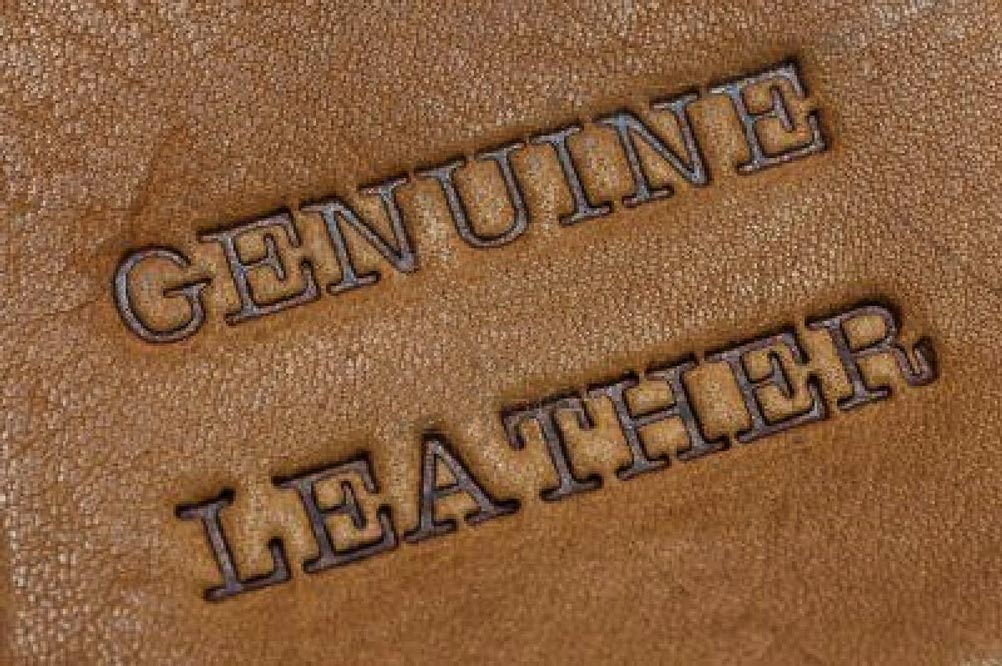
Items labeled “genuine leather” are indeed
made of leather. However, these products are usually composed of bonded leather
(the lowest grade of leather on the market, consisting of a man-made product
like cardboard that is then surrounded by fragments of leather and secured with
glue) or split-grain leather (the weakest layer of an animal hide that consists
of looser, less durable fibers). Like synthetic leather, it is cheap and is
similar in appearance to the real thing, but this variety isn’t durable or
reliable.
Patent Leather | $$
Good For: Dress shoes
Patent leather can be either natural or
synthetic. Either way, the leather is varnished or coated with linseed oil to
create a glossy, smooth, glasslike exterior surface. The finished product is
nearly waterproof. However, be aware that modern patent leather is nowhere near
as high in quality as it once was. These days, much of the patent leather
products you’ll find in stores is coated with plastic or resin, making it less
durable and more prone to scuffing. Much of it is also made with lower quality
leather too. It’ll take a little digging to see who still makes high quality
patent leather that’ll get you the most bang for your buck.
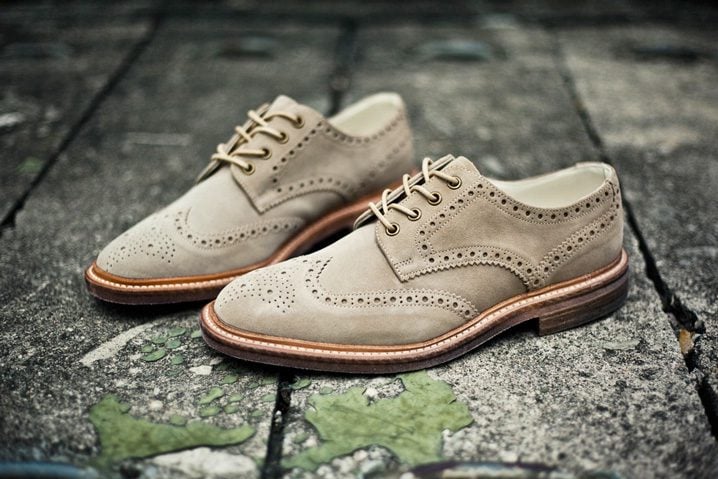
Suede Leather | $$
Good For: Casual dress shoes (like chukkas
and oxfords)
Suede is made from the lower layer of a hide,
which is sanded to add texture and softness. Suede is extremely soft, pliable,
and lightweight. However, suede should be consistently treated and maintained
in order for it to retain its smoothness and suppleness.
Nubuck Leather | $$
Good For: Casual dress shoes
Similar in look and feel to suede, nubuck is
actually top-grain leather that has been buffed to create that characteristic
velvety outer surface. This particular material is more durable and typically
higher quality than suede. Also like suede, nubuck needs to be consistently
treated to care for its soft exterior.
Top-Grain Leather | $$$
Good For: Wallets, belts, briefcases, shoes,
jackets
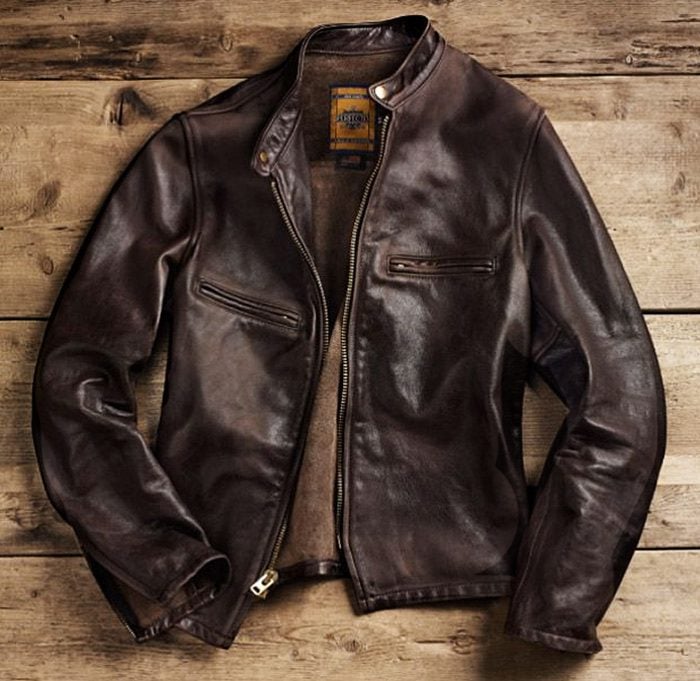
This is the staple of “fine” leather goods.
Top-grain leather is what is most commonly used in higher-end women’s purses
and men’s wallets made by designer brands. Top-grain leather is made by
splitting a piece of full-grain leather and sanding away imperfections. An
artificial grain is then stamped on the hide and it is often colored or treated
to result in a uniform look. Top-grain leather is generally more supple and
soft than full-grain leather. However, it is not as durable and will wear over
time.
Full-Grain Leather | $$$$
Good For: Wallets, belts, briefcases, shoes,
boots, jackets
Full-grain leather is made of the finest raw
materials available, and has been neither sanded or buffed to remove any
imperfections, leaving the hide au natural in all its glory. The grain is left
completely intact, meaning this variety offers the greatest fiber strength and
durability possible. Along with being the finest leather money can buy,
full-grain leather ages exceptionally well. However, the only real negative
here is that full-grain leather will cost you a serious chunk of change.
Caring For Leather Garments:
Note: All leather garments are different and
will come with different instructions unique to the piece. Always take the
instructions that come with your particular leather product into consideration.
The following are just general guidelines.
- Store your leather in a cool, dry place
- Always hang leather garments to best retain their shape
- Keep your leather garments out of direct sunlight
- Avoid spraying cologne directly on leather
- After cleaning any leather garment, allow it to dry naturally. Do not use any form of direct heat to speed up the process.
- Make your leather water resistant by using a leather protector. Read the directions carefully, though, as leather protectors are made of different ingredients and are often meant for different kinds of leather. A silicone or acrylic polymer spray is best to preserve appearance and shine, whereas a grease- or wax-based product may be detrimental to the longevity of your leather. Based on what the instructions say, expect to reapply every several weeks or months.
- Apple leather conditioner often, but don’t overdo it. Leather conditioner helps restore oil to the leather which prevents cracking, but too much oil can clog the pores of the leather and may negatively affect the jacket’s coloration. Only apply leather conditioner when the product feels a little stiff. As always, check the label of your specific conditioner to make sure it is appropriate for your garment. Avoid wax- or silicone-based conditioners, never use products with mineral oil or petroleum, and don’t even think about “saddle soap.”
- Only use leather polish on smooth leather jackets (so no suede for example) for special occasions. Too much polish will discolor and dry out the leather’s surface.
- Remove stains or any dirt with a damp cloth or a combination of dish soap and warm water on a soft bristle brush. Let the garment air dry afterward.
- For soft leather varieties like nubuck and suede, use a suede or Crepe brush to keep the nape supple and remove any embedded dirt.
- Most leather cleaning products can be used on synthetic leather, so long as you use them sparingly.
RJ Firchau
SOURCE: THE GENTLEMAUAL
SOURCE: THE GENTLEMAUAL
Comments
Post a Comment