Can Noxzema help with eczema?
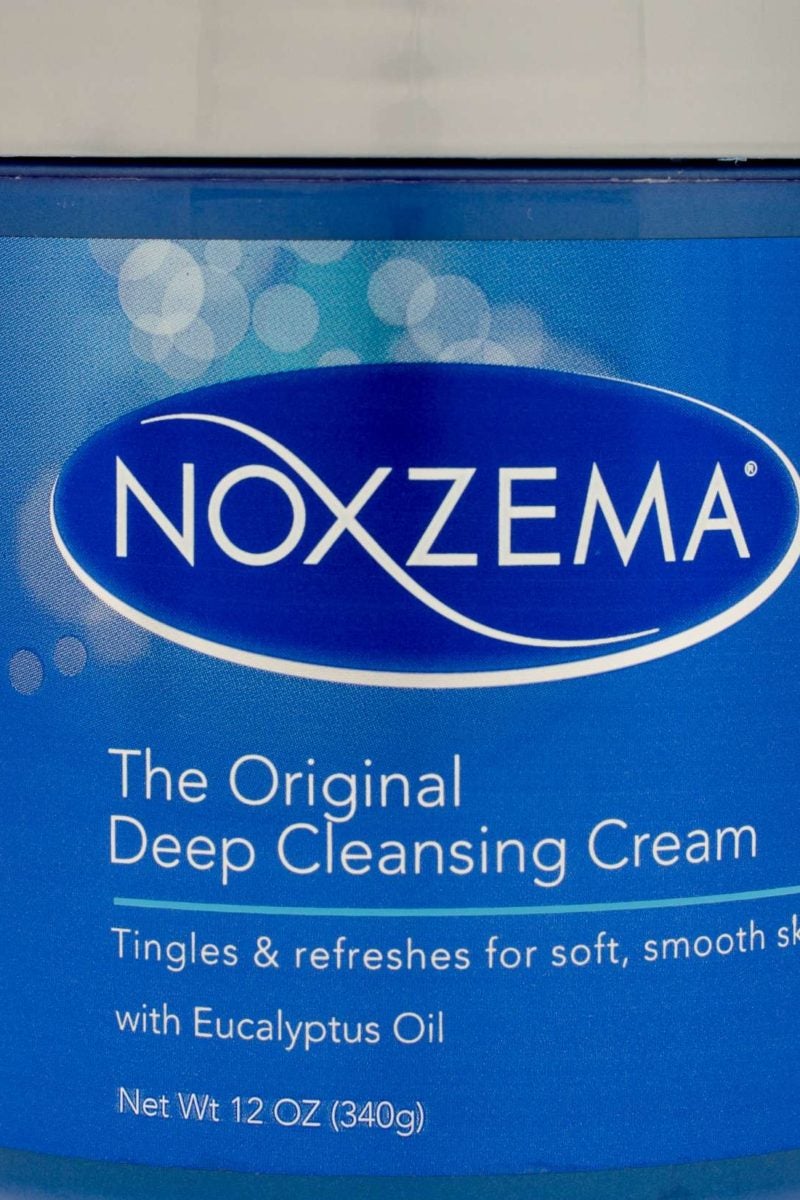
Noxzema is primarily a
treatment for acne and pimples, but it may also help with symptoms of eczema.
Eczema causes patches of dry,
cracked, itchy skin, and sometimes fluid-filled blisters. There are many
treatment options, which work in different ways — some aim to hydrate the skin,
while others aim to reduce inflammation.
Noxzema is designed to treat
acne and pimples. It contains salicylic acid, which is also an ingredient in
some eczema treatments.
This article will look at the
science behind using Noxzema for eczema in adults and babies, along with
possible risks and alternative eczema treatments.
What does the science say?
Noxzema is a commercial,
over-the-counter (OTC) cosmetics brand that sells anti-acne products, such as
creams, cleansers, and anti-blemish wipes.
Noxzema does not sell eczema
specific products, and no research has investigated the effects of Noxzema
products on eczema.
Some Noxzema products contain 2%
salicylic acid as their active ingredient.
Salicylic acid gets rid of
pimples by clearing debris from the pores. It is also a keratolytic agent,
meaning that it can help remove outer layers of skin. Products containing
salicylic acid may help to soften hard, cracked layers of skin caused by
eczema.
As salicylic acid is the
active ingredient, it is possible that Noxzema can treat eczema. However, the
official uses of Noxzema currently only include the treatment of acne and
pimples.
Is Noxzema safe for eczema?
Scientists have conducted no
research into the effects of Noxzema on eczema. This means that there is little
information about its effectiveness and safety, and how best to use it.
It is possible that other
ingredients in Noxzema could worsen symptoms of eczema or cause harm in a
different way.
The United States Department
of Health and Human Services consider Noxzema safe when used as directed and
for a “reasonably foreseeable” period. However, they do not provide safety
recommendations for using Noxzema on eczema — this is an off-label use.
As with many medications,
Noxzema can cause side effects. These may include skin irritation, but this is
likely to be mild and temporary.
Accidentally ingesting Noxzema
can cause:
- gastrointestinal problems
- nausea
- diarrhea
- vomiting
However, this information is
specific to its use as an acne treatment. There are no official safety
guidelines for using Noxzema to treat eczema in adults or babies.
Always speak to a doctor
before using any new medication for children or babies.
Noxzema ingredients
The active ingredient in Noxzema is salicylic acid. The other ingredients may vary, depending on the specific product.
For example, Noxzema Ultimate
Clear Anti-Blemish Pads contain the following ingredients:
- salicylic acid (2 percent)
- denatured alcohol
- water
- PEG-4
- PPG-11 stearyl ether
- Eucalyptus globulus leaf oil
- camphor
- menthol
- disodium EDTA
- fragrance
Other uses for Noxzema
People usually use Noxzema to
treat acne and pimples. It might help other health issues because it contains
salicylic acid.
Salicylic acid has shown
promise as a treatment for psoriasis. Psoriasis is a chronic, inflammatory skin
condition that causes the overproduction of skin cells.
Because, as a keratolytic,
salicylic acid can help remove buildups of these cells, it may soften the skin
and reduce inflammation in areas of psoriasis.
However, fully understanding
the effects of Noxzema on psoriasis will require more research.
Alternative eczema treatments
The range of treatment options
for eczema includes medical therapies, OTC products, and natural remedies. The
best treatment may depend on the type and severity of the condition.
OTC eczema medications can
moisturize the skin, reduce itchiness, and soothe pain. Emollients, for
example, are common non-cosmetic creams, ointments, and lotions. They can help
reduce irritation by keeping the skin hydrated and healthy.
A doctor may prescribe
corticosteroids for more severe eczema or for cases that do not respond to
regular strength moisturizers. Corticosteroids reduce redness and inflammation.
There are several types of these creams, and they vary in strength.
Possible side effects of
corticosteroid creams include:
- thinning or thickening of the skin
- stretch marks
- discoloration of the skin
Use corticosteroids as
directed by the doctor, and always consult a healthcare professional before
using new medications for babies and children.
Doctors often use topical
immunomodulators to treat eczema that does not respond to other types of
treatment. These drugs suppress the body’s immune system, and this can reduce
inflammation.
People can also try natural
remedies for eczema, which can soothe and prevent itchiness and moisturize the
skin. These include:
- aloe vera gel
- coconut oil
- colloidal oatmeal baths
- apple cider vinegar wraps or baths
Outlook
Eczema is a common skin
condition. People may experience periods of flares and remission, and symptoms
are likely to worsen in cold, dry weather.
It is more common in children
and often disappears in adulthood. When eczema develops later in life, it is
typically more severe.
People can manage eczema
symptoms with over-the-counter, prescription, or natural treatments. In the future,
researchers may find Noxzema to be an effective option.
Lifestyle factors, such as
exercise and the diet, can also affect the symptoms and outlook of eczema.
Some of the eczema treatments
listed in this article are available for purchase online.
Written by Aaron Kandola
SOURCE:
MEDICAL NEWS TODAY
Comments
Post a Comment